

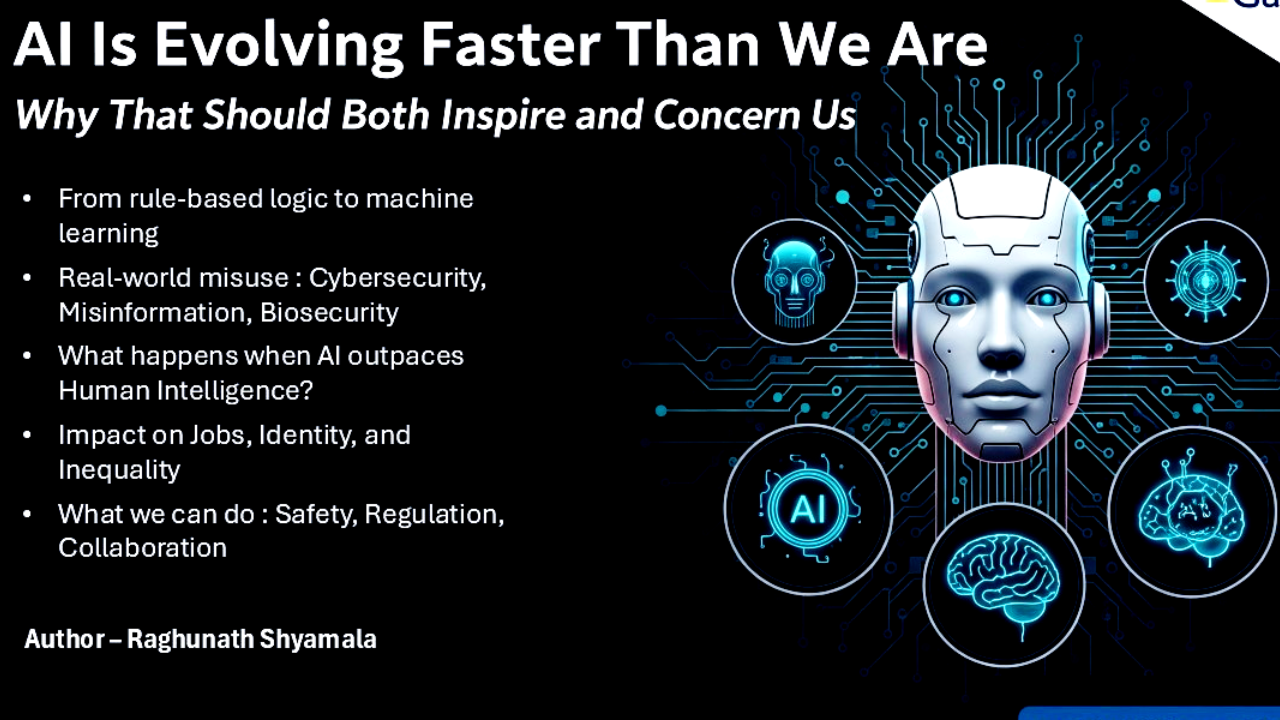
Artificial Intelligence (AI) is evolving faster than ever before, transforming how we work, communicate, and make decisions in daily life. From smart tools that write content to advanced systems that automate complex business tasks, AI is no longer a future concept—it is happening right now. As this technology continues to grow, understanding its impact is becoming essential for students, professionals, and business owners alike.
The Rapid Growth of AI Technology
The Rise of Advanced Machine Learning Systems
Machine learning has become the core engine behind modern AI development. These systems are now capable of analyzing large amounts of data, learning patterns, and improving their accuracy over time without constant human input. This rapid improvement is making AI more reliable in fields like healthcare, finance, and digital marketing, where decision-making speed and accuracy matter most.
Expansion of Generative AI Tools
Generative AI tools are changing the way content is created, from writing and design to video and audio production. These systems can generate human-like text, images, and even code in seconds. This evolution is reducing production time and allowing individuals and businesses to create high-quality content with minimal effort and cost.
Increasing Accessibility of AI for Everyone
AI is no longer limited to large tech companies. Today, small businesses and individuals can access powerful AI tools through simple apps and online platforms. This democratization of technology is helping people improve productivity, automate tasks, and build digital businesses without needing advanced technical skills.
How AI Is Changing Industries Worldwide
Transformation of the Business Landscape
Businesses are using AI to improve efficiency, reduce costs, and enhance customer experience. From automated customer support to predictive analytics, AI is helping companies make smarter decisions. This shift is creating a more competitive environment where digital transformation is no longer optional but necessary.
Impact on Education and Learning Systems
AI is reshaping education by offering personalized learning experiences and instant access to information. Students can now use AI-powered tools to understand complex topics, generate study materials, and receive real-time feedback. This is making education more flexible, interactive, and accessible across the globe.
Evolution of Healthcare and Diagnostics
In healthcare, AI is improving diagnosis accuracy and treatment planning. Advanced algorithms can analyze medical data faster than traditional methods, helping doctors detect diseases early. This evolution is improving patient outcomes and supporting medical professionals in delivering better care.
What You Should Know About the Future of AI
Growing Importance of AI Skills
As AI continues to expand, skills related to AI tools, data analysis, and digital literacy are becoming highly valuable. Professionals who understand how to use AI effectively will have a strong advantage in the job market. Learning these skills early can open new career opportunities in multiple industries.
Ethical Concerns and Responsible AI Use
With rapid AI growth, ethical challenges such as data privacy, misinformation, and bias are becoming more important. Responsible use of AI is necessary to ensure fairness and transparency. Governments and organizations are working to create guidelines that balance innovation with safety.
AI and Job Market Transformation
AI is reshaping the job market by automating repetitive tasks while creating new roles in technology and digital services. While some traditional jobs may change, new opportunities are emerging in AI development, automation management, and digital strategy. Adaptability is key in this evolving environment.
FAQs
1. What is AI and why is it important today?
AI is a technology that allows machines to learn and perform tasks like humans. It is important because it improves efficiency and automation across industries.
2. How fast is AI evolving?
AI is evolving very quickly due to advancements in machine learning and computing power, making it more powerful each year.
3. Will AI replace human jobs?
AI will automate some tasks, but it will also create new job opportunities in tech and digital fields.
4. How is AI used in daily life?
AI is used in smartphones, online recommendations, virtual assistants, and many business tools.
5. Do I need technical skills to use AI tools?
No, many modern AI tools are designed for beginners and require no coding or technical knowledge.
Conclusion
AI is evolving at an incredible speed, reshaping industries, improving productivity, and creating new opportunities for individuals and businesses. While it brings challenges such as ethical concerns and job transformation, it also opens doors to innovation and growth. Understanding AI today is no longer optional—it is essential for staying relevant in a digital future.