

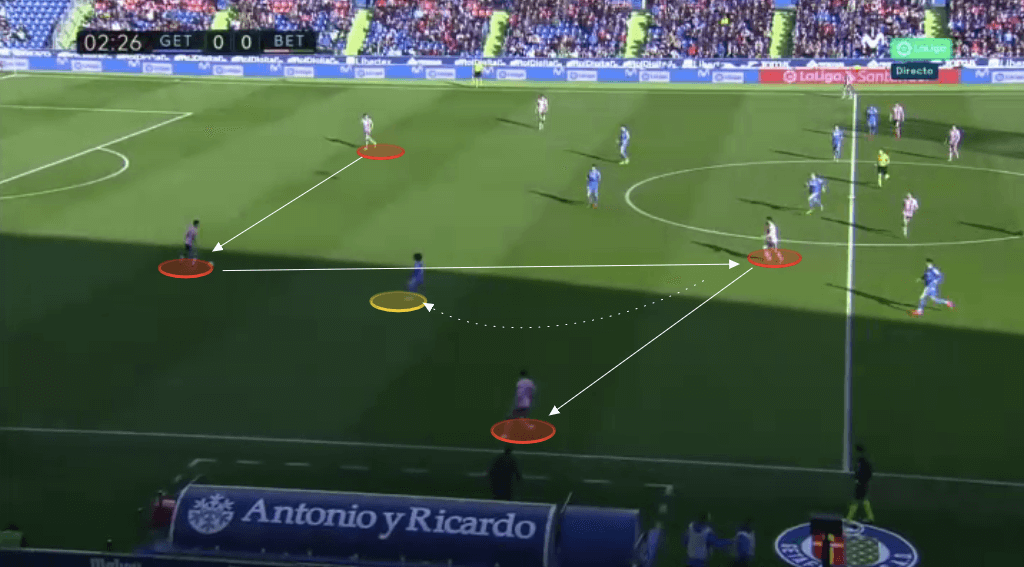
Evaluating team sheets and baseline player statistics provides only a surface-level overview of a football match, whereas the true definitive blueprint of a fixture is drawn by the managers in the technical areas. During the 2014/2015 La Liga campaign, the strategic divergence between various coaching philosophies created a highly predictable matrix of match dynamics. From the dogmatic possession models of ideological purists to the hyper-pragmatic low blocks of survival specialists, manager habits dictated everything from ball velocity to defensive line height. Deconstructing these specific managerial frameworks equips analytical minds with the ability to look past generic club branding and forecast how a ninety-minute tactical chess match will realistically unfold.
The Operational Rigidity of Mid-Table Spanish Tacticians
A common oversight in pre-match analysis is treating clubs as fluid entities that completely change their identity based on their opponents. In reality, the 2014/2015 La Liga season demonstrated that mid-tier managers are remarkably rigid in their core operational principles due to squad profiling constraints. When a coach spends an entire pre-season drilling a specific horizontal pressing triggers or a strict zonal marking defensive structure, they cannot easily abandon those muscle memories for a single weekend fixture.
This behavioral consistency means that an analyst can map out exactly how a mid-table side will behave when forced into possession or when suffocated by an elite press. The tactical habits of the coach act as a fixed variable, allowing the observer to foresee structural breakdowns several days before the match occurs. If a manager consistently demands building out from the back despite lacking technically gifted center-backs, an opponent utilizing an aggressive high press will inevitably generate high-turnover scoring opportunities.
Why Managerial Match-Ups Neutralize Pure Talent Discrepancies
When public capital floods the handicapping markets, it predominantly chases raw squad valuation and star power, frequently resulting in inflated lines for historically prominent clubs. Sharp operators counter this imbalance by identifying specific stylistic match-ups where a lesser-valued squad possesses the exact tactical tools required to neutralize a superior opponent’s main attacking avenues. A perfectly drilled collective unit operating under a specialized structural game plan can routinely stifle uninspired individual brilliance.
If a top-tier coach relies exclusively on wide isolating wingers to create danger, facing a disciplined defensive coach who implements immediate double-teaming coverage on the flanks can flatline the favorite’s offensive efficiency. Recognizing these tactical bottlenecks requires stepping away from traditional media narratives and focusing purely on spatial mechanics. While recreational players navigate digital platforms looking for basic win-loss trends, sophisticated analysts understand that betting value is maximized when a manager’s systemic edge is ignored by the general public. Contrast this strategic evaluation with the static, mathematically fixed return rates of a standard casino online platform. In sports analytics, understanding a coach’s structural adaptability provides a fluid, exploitative edge that allows you to outmaneuver the baseline odds compile before public money forces a market adjustment.
Classifying the Tactical Archetypes of the 2014/2015 Season
Developing a functional predictive model requires categorizing the league’s managers into distinct operational archetypes based on their spatial preferences and transitional speeds. The 2014/2015 campaign featured a rich diversity of philosophies, ranging from the uncompromising verticality of Diego Simeone’s Atletico Madrid to the high-possession, expansive risks of Paco Jémez at Rayo Vallecano.
To successfully navigate pre-match selections, an observer had to evaluate how these contrasting archetypes interacted when paired together on the pitch. The tactical friction generated by these specific pairings dictated the baseline pace, foul counts, and ultimate scoring metrics of the match.
- The High-Pressing Dogmatist: Prioritizes territorial dominance, forcing high turnovers but leaving massive vertical space behind the defensive line.
- The Low-Block Pragmatist: Shrinks the playing area inside their own defensive third, conceding possession while eliminating central passing channels.
- The Transitional Functionalist: Focuses entirely on rapid vertical counter-attacks immediately following midfield turnovers.
Isolating these specific behaviors provided clear guidance on whether a match would dissolve into chaotic, end-to-end transition sequences or remain a low-tempo, sterile possession grind. When two managers from opposing stylistic extremes met, the structural imbalance typically produced highly volatile results that strayed far from historical scoring averages.
Macro-Tactical Interaction Outcomes
Mechanisms of Tactical Friction
The true value of this classification became evident when analyzing how a High-Pressing Dogmatist attempted to break down a Low-Block Pragmatist. Because the defensive side completely surrendered possession and dropped their lines deep, the pressing team’s primary weapon—generating turnovers in the attacking third—was completely neutralized. This specific operational conflict regularly forced the favorite into horizontal, low-risk passing sequences, heavily driving down the overall match tempo and leading to frequent under-total outcomes that caught casual backers completely off guard.
Quantitative Metrics for Verifying Managerial Tendencies
An analytical model must never rely on subjective visual impressions alone; it must validate a manager’s perceived style through empirical data tracking. During the 2014/2015 Spanish campaign, a coach’s tactical intent was clearly visible through specific metrics like PPDA (Passes per Defensive Action), average defensive line height, and direct speed of attack.
| Manager Stylistic Category | Average Passes Per Possession | Direct Speed of Attack (m/s) | PPDA Rating | Defensive Line Height (Meters) |
| Ultra-Possession Purist | 5.82 | 1.12 | 7.41 | 54.2 |
| Structured Counter-Attacker | 3.12 | 2.85 | 12.60 | 41.5 |
| Low-Block Defensive Specialist | 2.45 | 1.98 | 16.45 | 34.8 |
Analyzing this structural breakdown demonstrates that a manager’s philosophy imposes a strict mathematical boundary on how their players interact with the ball. The Ultra-Possession Purist moves the ball at a significantly slower vertical speed, choosing horizontal circulation to shift the opponent’s defensive blocks over a prolonged period.
Interpretation of this statistical matrix confirms that when a Structured Counter-Attacker faced an Ultra-Possession Purist, the match was structurally primed for rapid vertical transitions. The high defensive line of the possession coach offered a massive green pasture of space for the direct speed of the counter-attacking side to exploit. By tracking these specific metric boundaries, disciplined market participants could accurately forecast which team would successfully dictate the geometry of the pitch, allowing them to isolate premium Asian Handicap value before the market reacted to the team news.
The Human Element: In-Game Adaptability and Substitution Patterns
While pre-match tactical frameworks dictate the opening thirty minutes of any fixture, a manager’s real-time cognitive adaptability determines the final outcome. Some coaches in the 2014/2015 season were notoriously slow to react when their primary game plan was compromised, waiting until the 70th minute to make predictable, like-for-like substitutions. Conversely, elite tactical innovators were highly proactive, altering their base formations or shifting their pressing triggers before halftime if they noticed a structural vulnerability.
Tracking these behavioral nuances gave sharp pre-match analysts a profound advantage. Knowing that a specific coach would stubbornly refuse to adjust their high-pressing system even when trailing away from home allowed bettors to confidently back the opposing side to cover secondary handicaps as the match progressed into its late stages.
Tactical Disruptions: The Impact of Forced Personnel Changes
A manager’s idealized tactical system is ultimately dependent on having the correct human profiles to execute it. When injuries or suspensions removed a critical component—such as a single defensive midfielder capable of stopping transitions single-handedly—the entire tactical structure frequently collapsed. If the coach stubbornly insisted on playing the exact same high-line press with a slow, reserve center-back, the results were consistently catastrophic.
Evaluating these specific personnel bottlenecks allowed sharp bettors to spot when a coach’s tactical pride would override reality. If a squad lacked the mobility to execute an aggressive game plan but the manager refused to pivot to a low block, backing the opponent became a highly profitable mathematical proposition.
Selecting Execution Infrastructure for Tactical Value
When an analyst successfully identifies a severe tactical mismatch between two coaching staffs, translating that insight into profit requires an interface that can handle precise, data-driven positions. If a bettor isolates an overperforming transitional side playing away from home against a stubborn possession coach, securing an optimal handicap line prior to kickoff is critical. Serious market participants frequently utilize an established sports betting service to manage their exposure efficiently. Exploring options via ufabet provides the precise line depth and liquid markets required to back these niche tactical angles before the broader marketplace forces an odds correction on the underpriced side.
By entering the market early, disciplined players effectively protected their capital against late-week public sentiment, which typically favors the more glamorous, high-possession brand name regardless of the tactical reality. In a league as strategically sophisticated as La Liga, executing your positions through a highly responsive network remains an essential pillar of professional bankroll longevity.
Summary
Successfully predicting match outcomes during La Liga’s 2014/2015 season depended heavily on an analyst’s ability to decode the structural blueprints of the league’s managers. By categorizing coaches into distinct operational archetypes, verifying their spatial tendencies through empirical metrics like PPDA, and identifying tactical bottlenecks, sharp bettors looked past deceptive public narratives. Ultimately, the campaign emphasized that football matches are not random occurrences; they are the direct mathematical results of competing tactical systems, and the greatest betting value resides where a coach’s structural advantage is completely mispriced by the general market.
