

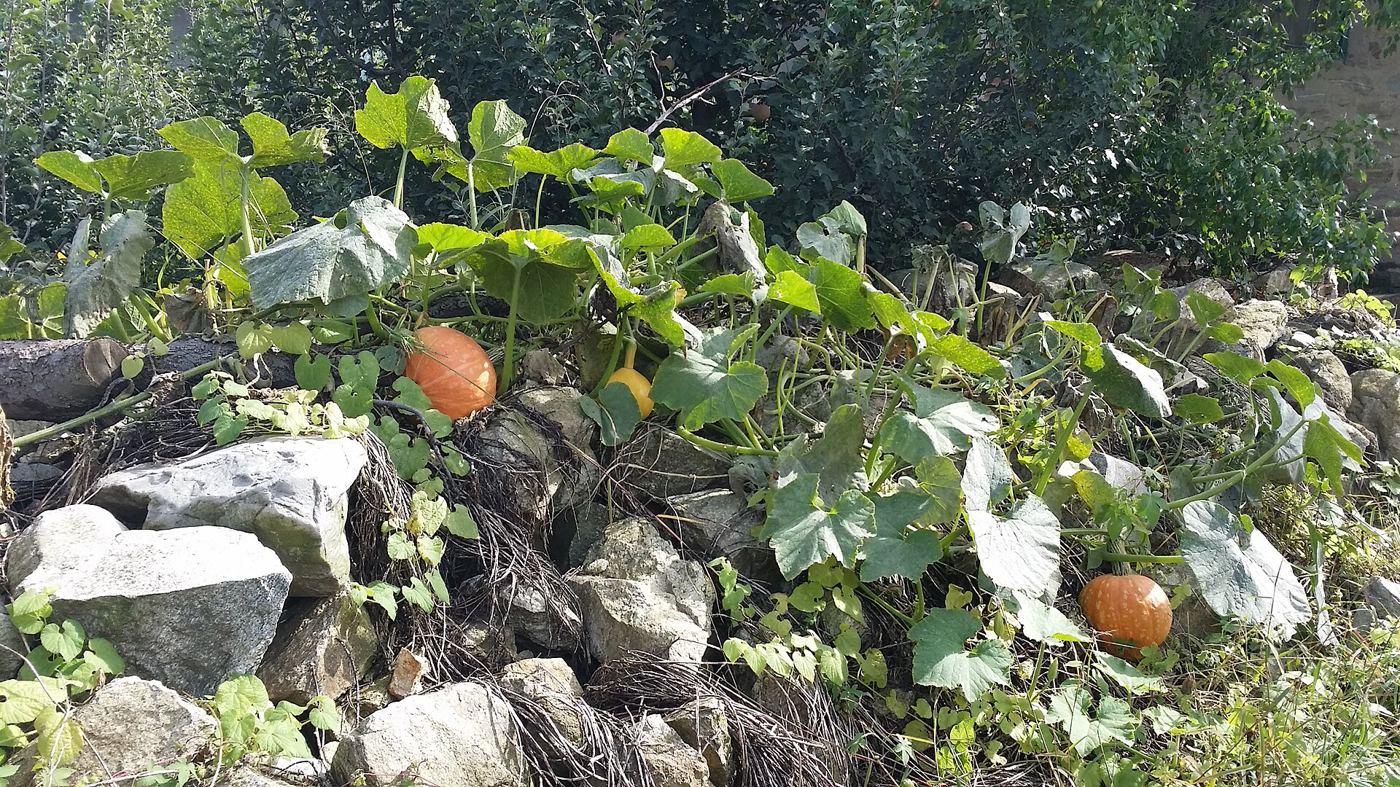
Autumn is the cook’s easiest win. Markets fill with produce that actually wants to be stored — squash, pumpkins, roots, apples, cabbages — and prices drop just as appetites turn toward soups, roasts and slow braises. Cooking seasonally at this time of year is less about virtue than about instinct: the ingredients are at their best, cheapest and most forgiving all at once.
The trick is buying with a plan. A whole squash keeps for a month in a cool corner; the same squash, cut, lasts days. Matching what you buy to how autumn produce actually stores is what separates a well-used glut from a compost contribution.
The Autumn Staples Worth Stocking
Hard squash and pumpkins are the headline act: sweet, dense and happy in curries, risottos and traybakes. Beneath them, the roots — carrots, parsnips, celeriac, beetroot — sweeten as the weather cools and roast beautifully with nothing more than oil and salt. Apples and pears carry desserts, while leeks and cabbages give winter cooking its backbone. The U.S. Department of Agriculture publishes seasonal produce guides that make a useful shopping companion.
Storage rules are simple. Keep roots unwashed in the fridge’s crisper, squash and onions somewhere cool and dry but never together — onions shorten the life of almost everything nearby — and freeze chopped leeks and herbs in oil for instant flavour later. Our food section has a full guide to freezing autumn gluts without turning them to mush.
Cooking the Season Well
Autumn rewards low effort. One tray — squash wedges, red onion, chickpeas, smoked paprika — becomes dinner with a yoghurt sauce. Tough cuts of meat braise tender beside roots, and yesterday’s roast vegetables fold into soups, frittatas and grain bowls all week. Recipe collections from sources such as BBC Good Food lean heavily on this batch-friendly logic for a reason.
Start where the season is generous, store with a little knowledge, and autumn cooking mostly takes care of itself — warm, cheap and a long way from the sad salads of January good intentions.
Preserving extends the season further still. Squash and apples become chutneys, excess pears turn into spiced jam, and a Sunday afternoon of pickling beetroot and cabbage stocks the cupboard with bright flavours for the greyest weeks of winter — autumn’s generosity, banked against February.
There is a budget argument running underneath all of this. Autumn produce is cheap precisely because it is abundant, and because so much of it stores well, a household can buy at glut prices and eat at leisure rather than paying winter premiums for imported equivalents. Markets and farm shops often discount further in the season’s final weeks, when growers would rather sell a crate than store it. Pair that with a freezer and a shelf of jars, and autumn quietly becomes the season that subsidises the rest of the year.
