

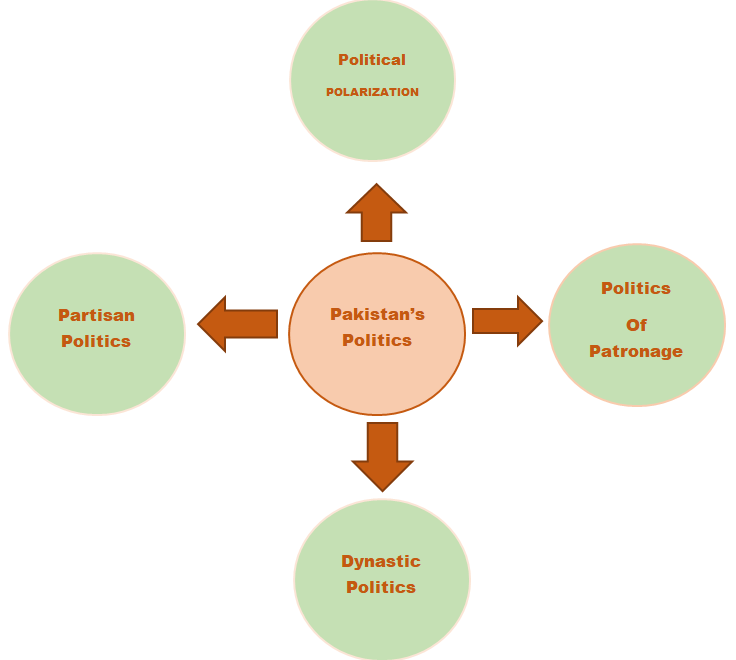
Political uncertainty continues to shape global affairs as governments around the world struggle with economic pressure, public dissatisfaction, international conflicts, and rapid social change. In many countries, leaders are facing growing criticism over inflation, unemployment, policy failures, and political division. At the same time, global challenges such as climate concerns, migration issues, and digital misinformation are increasing pressure on governments to respond quickly and effectively. As political instability grows in different regions, experts believe that strong leadership, public trust, and long-term planning will play a major role in shaping the future of governance and political stability worldwide.
Economic Pressure Is Increasing Political Instability
Rising Inflation Creates Public Frustration
One of the biggest reasons behind current political uncertainty is rising inflation and the increasing cost of living. Many families are struggling to afford basic necessities, which has created frustration toward government policies. Citizens often expect leaders to control economic conditions, but global financial instability has made that difficult in many regions. As inflation continues to affect daily life, political debates are becoming more intense and public confidence in leadership is declining.
Unemployment Remains a Major Concern
Unemployment continues to challenge governments as industries adapt to technological changes and economic slowdowns. Many young people are finding it difficult to secure stable jobs, leading to growing dissatisfaction among voters. Governments are under pressure to create employment opportunities while also managing national budgets and economic reforms. Political leaders who fail to address job concerns may face criticism and declining public support during elections.
Economic Reforms Face Political Resistance
Governments attempting economic reforms often face strong political opposition and public resistance. While reforms may be necessary for long-term growth, citizens sometimes fear immediate financial hardship or reduced social benefits. Political parties frequently disagree on taxation, spending policies, and public welfare programs, which slows decision-making processes. This division contributes to political instability and uncertainty in several countries.
Global Conflicts Are Challenging Government Leadership
International Tensions Affect Domestic Politics
Global conflicts and diplomatic tensions are influencing domestic political environments in many nations. Governments must balance national security concerns with economic and humanitarian responsibilities. Rising geopolitical pressure can impact trade, energy supplies, and public opinion, forcing leaders to make difficult political decisions. As international conflicts continue, political uncertainty may increase due to changing alliances and security concerns.
Migration Issues Continue to Divide Public Opinion
Migration policies remain a sensitive political topic across many countries. Governments are facing pressure to manage border security while also addressing humanitarian responsibilities. Public opinion on immigration often differs sharply, creating political division between parties and communities. Leaders must carefully manage these debates to avoid increasing social tension and political polarization.
National Security Concerns Influence Policy Decisions
National security has become a central issue in modern politics as governments respond to cyber threats, terrorism risks, and military tensions. Citizens expect leaders to maintain safety while protecting democratic values and freedoms. Security-related decisions can influence elections, foreign policy, and public trust in leadership. Governments that fail to respond effectively to security concerns may face political criticism and reduced public confidence.
Public Trust in Governments Continues to Decline
Political Polarization Is Growing Rapidly
Political polarization is becoming more visible as ideological differences deepen across societies. Social media platforms and digital communication have amplified political debates and increased misinformation. As divisions between political groups grow stronger, cooperation becomes more difficult within governments and legislatures. This environment creates uncertainty and slows the development of effective policies.
Citizens Demand Greater Transparency
Modern voters expect transparency, accountability, and honest communication from political leaders. Corruption scandals, misinformation, and hidden political agendas have damaged public trust in many governments. Citizens now demand clearer explanations regarding policies, public spending, and decision-making processes. Governments that fail to maintain transparency may struggle to regain public confidence and political stability.
Younger Generations Are Changing Political Expectations
Younger generations are influencing modern politics through new expectations regarding climate action, digital freedom, equality, and economic opportunity. Governments must adapt to changing social values while balancing traditional political systems. Young voters are becoming more active in elections and public discussions, which is reshaping political priorities in many countries. Leaders who fail to understand these changing expectations may lose support among younger populations.
FAQs
What is political uncertainty?
Political uncertainty refers to instability or unpredictability in government decisions, leadership, or public policies.
Why are governments facing new challenges today?
Governments are dealing with economic problems, global conflicts, migration issues, and declining public trust.
How does inflation affect political stability?
High inflation increases public frustration and often leads to criticism of government policies and leadership.
Why is public trust important in politics?
Public trust helps governments maintain stability, implement policies, and manage national challenges effectively.
How are younger voters influencing politics?
Younger generations are demanding action on social, economic, and environmental issues, shaping modern political priorities.
Conclusion
Political uncertainty continues to grow as governments face complex economic, social, and international challenges. Rising inflation, unemployment, geopolitical tensions, and declining public trust are increasing pressure on political leaders worldwide. At the same time, changing public expectations and growing political polarization are reshaping how governments operate and respond to crises. Moving forward, strong leadership, transparent governance, and effective policy planning will remain essential for maintaining political stability and public confidence in an increasingly uncertain global environment.