

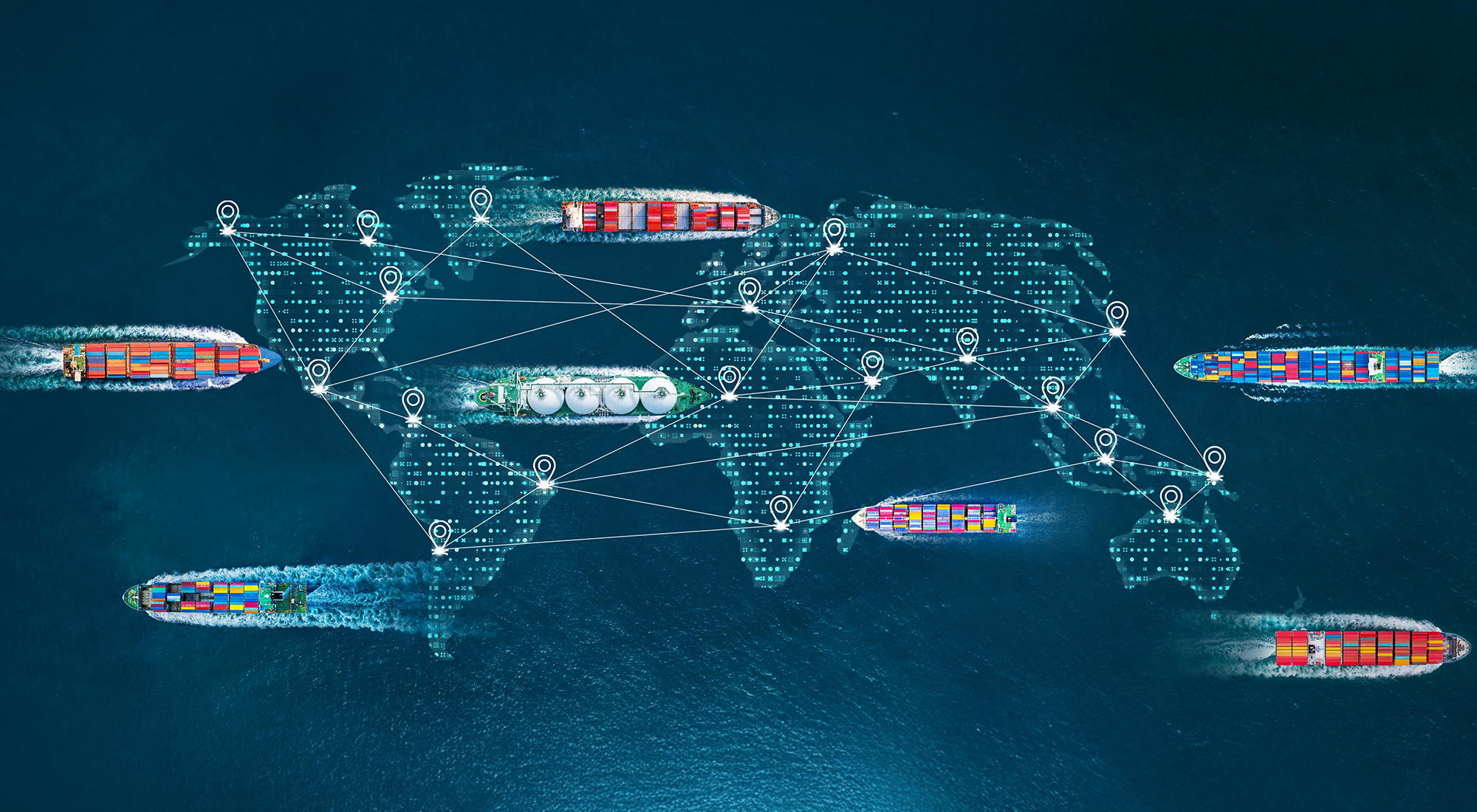
Global political alliances are shifting at a speed that many governments, analysts, and international organizations did not predict. Economic competition, military tensions, technological advancement, energy security, and regional conflicts are all reshaping how countries cooperate with one another. Traditional alliances are facing new challenges while emerging powers are building stronger partnerships to increase their influence in global politics. As the world becomes more interconnected and unpredictable, nations are adjusting their foreign policies to protect their economic interests, national security, and geopolitical goals. These rapid changes are creating a new balance of power that could redefine international relations for decades.
The Rise of New Global Power Partnerships
Emerging Economies Are Expanding Their Influence
Many emerging economies are now playing a larger role in global politics and international decision-making. Countries in Asia, the Middle East, Africa, and Latin America are strengthening diplomatic and economic partnerships to reduce dependence on traditional Western powers. These nations are investing heavily in trade, infrastructure, and technology while forming new alliances based on mutual economic interests. As a result, the global political landscape is becoming more multipolar, with power distributed across several influential regions rather than dominated by a few countries.
Regional Cooperation Is Becoming More Important
Regional alliances are gaining momentum as countries focus on local security and economic stability. Governments are working together on trade agreements, defense cooperation, and energy projects to improve regional influence and reduce external pressure. This shift is encouraging stronger political coordination between neighboring states. Regional organizations are also becoming more active in addressing conflicts, migration issues, and economic development challenges, which is increasing their importance in global affairs.
Strategic Interests Are Reshaping Diplomatic Relations
Countries are now prioritizing strategic interests over long-standing political traditions. Governments are forming partnerships based on technology access, energy resources, military cooperation, and supply chain security. In many cases, nations that previously had limited diplomatic engagement are now building closer relationships because of changing economic and security needs. This trend highlights how modern geopolitics is driven increasingly by practical interests rather than historical alliances alone.
Technology and Economic Competition Are Driving Alliance Changes
Trade Rivalries Are Influencing Foreign Policy
Global trade competition has become one of the main reasons behind changing political alliances. Countries are seeking stronger economic partnerships to secure supply chains, protect industries, and reduce dependence on rival economies. Tariffs, sanctions, and trade restrictions are pushing nations to diversify their international partnerships. As economic uncertainty grows, governments are placing greater importance on strategic trade agreements that support long-term national interests and economic resilience.
Technology Is Becoming a Geopolitical Tool
Technology is now central to international politics and alliance-building efforts. Artificial intelligence, semiconductor production, cybersecurity, and digital infrastructure are shaping modern diplomatic relationships. Nations are partnering with countries that can support their technological growth and protect sensitive industries. Competition over technological leadership is also increasing tensions between major powers, leading many governments to reevaluate existing alliances and create new partnerships based on innovation and digital security.
Energy Security Is Affecting Global Cooperation
Energy security remains a major factor influencing international political alliances. Countries are searching for reliable energy partners while transitioning toward renewable energy and cleaner technologies. Oil, gas, and critical minerals continue to shape diplomatic negotiations and geopolitical strategies. Nations that control important energy resources are gaining greater influence in global politics, while importing countries are working to strengthen energy partnerships to reduce future risks and improve economic stability.
Security Challenges Are Accelerating Political Realignment
Military Alliances Are Evolving Rapidly
Military cooperation between nations is changing due to rising geopolitical tensions and regional conflicts. Governments are increasing defense spending, expanding joint military exercises, and strengthening strategic partnerships to improve national security. Traditional military alliances are adapting to new threats such as cyber warfare, space security, and advanced missile systems. These developments are encouraging countries to modernize defense strategies and seek new security partnerships.
Regional Conflicts Are Influencing Global Politics
Ongoing regional conflicts are significantly affecting international relationships and diplomatic strategies. Countries are taking positions based on security concerns, economic interests, and political influence. In many cases, conflicts are forcing governments to reconsider old alliances and develop new diplomatic approaches. The impact of wars, border disputes, and political instability is extending beyond local regions and shaping broader international cooperation patterns.
Global Institutions Are Facing New Pressure
International organizations are facing increasing pressure as political alliances continue to shift. Many governments are questioning whether existing global institutions can effectively address modern geopolitical challenges. Differences in economic priorities, military interests, and political ideologies are making international cooperation more difficult. As alliances evolve, global institutions may need reforms to remain effective in maintaining diplomatic stability and supporting international peace efforts.
FAQs
1. Why are global political alliances changing rapidly?
Global political alliances are changing because of economic competition, security concerns, technology advancement, and shifting geopolitical interests.
2. How does technology affect international alliances?
Technology influences alliances through cybersecurity, artificial intelligence, digital infrastructure, and competition for technological leadership.
3. What is a multipolar world in global politics?
A multipolar world refers to a global system where several countries or regions share political and economic influence instead of one dominant power.
4. Why is energy security important in geopolitics?
Energy security is important because countries rely on stable energy supplies for economic growth, industrial development, and national security.
5. How do regional conflicts impact global alliances?
Regional conflicts can reshape diplomatic relationships by forcing countries to adjust security strategies and political partnerships.
Conclusion
Global political alliances are changing faster than expected due to economic competition, technological transformation, energy security concerns, and rising geopolitical tensions. Nations are increasingly forming partnerships based on strategic interests rather than traditional political alignments. As emerging economies gain influence and global power becomes more distributed, international relations are entering a new era of complexity and competition. Understanding these changes is essential for governments, businesses, and individuals seeking to navigate the future of global politics and international cooperation.