

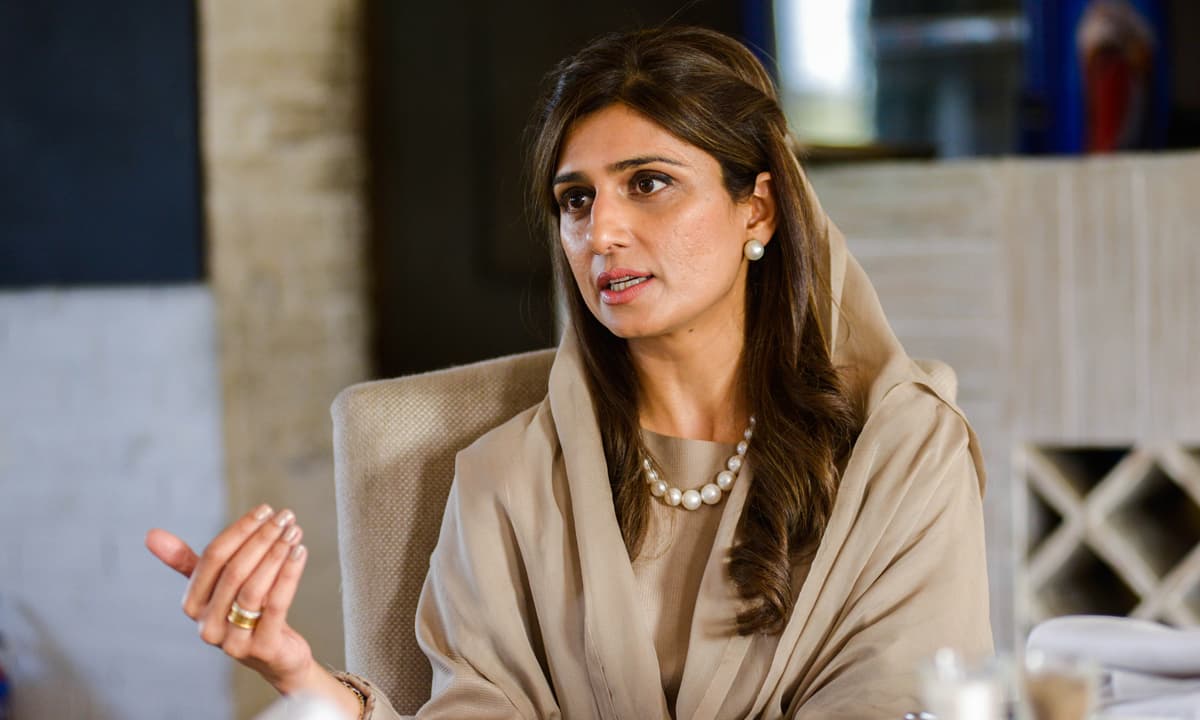
The global political landscape is changing faster than many people expected. Across different countries, political systems, leadership styles, voter behavior, and international relationships are evolving in ways that experts believe mark the beginning of a new political era. From the rise of digital influence to growing public dissatisfaction with traditional politics, modern societies are witnessing major transformations that are reshaping democracy, governance, and global power structures. Political analysts argue that these changes are not temporary trends but long-term shifts that will define the future of governments and public policy for decades to come.
Changing Voter Behavior Is Reshaping Politics
Younger Generations Are Influencing Political Trends
Younger voters are playing a much larger role in modern politics than previous generations. Many experts believe this generational shift is one of the strongest signs of a new political era. Younger citizens are more focused on issues such as climate change, economic equality, technology regulation, and social justice. Unlike older political groups, younger voters often prefer independent thinking over traditional party loyalty. This change is forcing political parties to adjust their strategies and communication styles to remain relevant in a rapidly changing society.
Social Media Has Changed Political Communication
Digital platforms have transformed how politicians connect with the public. Political campaigns are no longer controlled mainly by television or newspapers because social media now shapes public opinion in real time. Experts say this shift has created a more direct relationship between leaders and citizens. At the same time, it has increased the speed at which political information spreads across the world. Political debates, public reactions, and policy discussions now happen instantly online, changing how governments manage public trust and communication.
Public Trust in Traditional Politics Is Declining
Many people around the world are losing confidence in traditional political institutions. Economic struggles, political scandals, and unmet promises have contributed to growing frustration among voters. Experts believe this decline in trust is encouraging citizens to support alternative political movements and non-traditional leaders. As a result, political systems are becoming less predictable, and established parties are facing stronger competition from new voices that promise reform and transparency.
Global Power Structures Are Rapidly Evolving
International Alliances Are Becoming More Complex
Global politics is no longer dominated by a few powerful nations in the same way it once was. Experts believe the world is moving toward a more multipolar system where several countries influence international decisions. Economic growth in developing nations, changing trade relationships, and regional conflicts are creating new political alliances. This shift is changing how countries cooperate on issues like security, energy, and global trade, signaling a major transformation in international politics.
Economic Pressures Are Influencing Political Decisions
Economic uncertainty has become a major factor shaping modern political strategies. Rising inflation, unemployment concerns, and global financial instability are forcing governments to rethink policies and priorities. Experts argue that economic pressure is driving political change because citizens increasingly vote based on financial security and living standards. Governments are now under greater pressure to balance economic growth with public welfare while responding to global market challenges.
Technology Is Becoming a Political Force
Technology is now deeply connected to political power and governance. Artificial intelligence, cybersecurity, digital surveillance, and data privacy have become important political topics worldwide. Experts believe technological influence is creating a completely different political environment where digital control and information management can shape elections, national security, and public opinion. Governments are investing more resources into technology policies because digital innovation is becoming central to political stability and global influence.
Society and Culture Are Driving Political Transformation
Identity Politics Is Becoming More Visible
Cultural identity and social representation are increasingly influencing political discussions. Experts believe people now expect governments to address issues related to equality, diversity, and representation more seriously than ever before. Political debates are often shaped by cultural values, social movements, and public demands for inclusion. This growing focus on identity politics is changing campaign strategies, policymaking, and public expectations from political leaders.
Citizens Want Faster Government Action
Modern societies expect governments to respond quickly to crises and public concerns. Whether dealing with economic problems, healthcare challenges, or environmental issues, citizens now demand immediate action and transparency. Experts say this pressure is changing how political systems operate because leaders are constantly being evaluated through digital media and public reaction. Slow decision-making is increasingly viewed as political weakness in the modern era.
Global Crises Are Accelerating Political Change
Recent global events have highlighted weaknesses in many political systems and forced governments to adapt rapidly. Health emergencies, international conflicts, climate concerns, and migration challenges are creating long-term political consequences. Experts believe these global pressures are accelerating the transition into a new political era because governments are being forced to develop new strategies, stronger international cooperation, and modern policy frameworks to manage future risks effectively.
FAQs
What is meant by a new political era?
A new political era refers to major long-term changes in political systems, leadership, voter behavior, and global power structures.
Why do experts believe politics is changing globally?
Experts see changes in technology, voter expectations, economic conditions, and international relations as signs of political transformation.
How is social media affecting modern politics?
Social media allows faster political communication, influences public opinion, and changes how campaigns reach voters.
Why are younger voters important in politics today?
Younger generations are influencing policies and political priorities with stronger focus on social and economic issues.
How does technology impact political systems?
Technology affects cybersecurity, elections, communication, public opinion, and government decision-making worldwide.
Conclusion
Experts believe a new political era has already started because political systems, global relationships, and public expectations are changing at an unprecedented pace. From digital influence and shifting voter behavior to economic uncertainty and cultural transformation, modern politics is entering a period of major transition. Governments and political leaders must adapt to these evolving realities to maintain public trust and remain effective in an increasingly connected and rapidly changing world.