

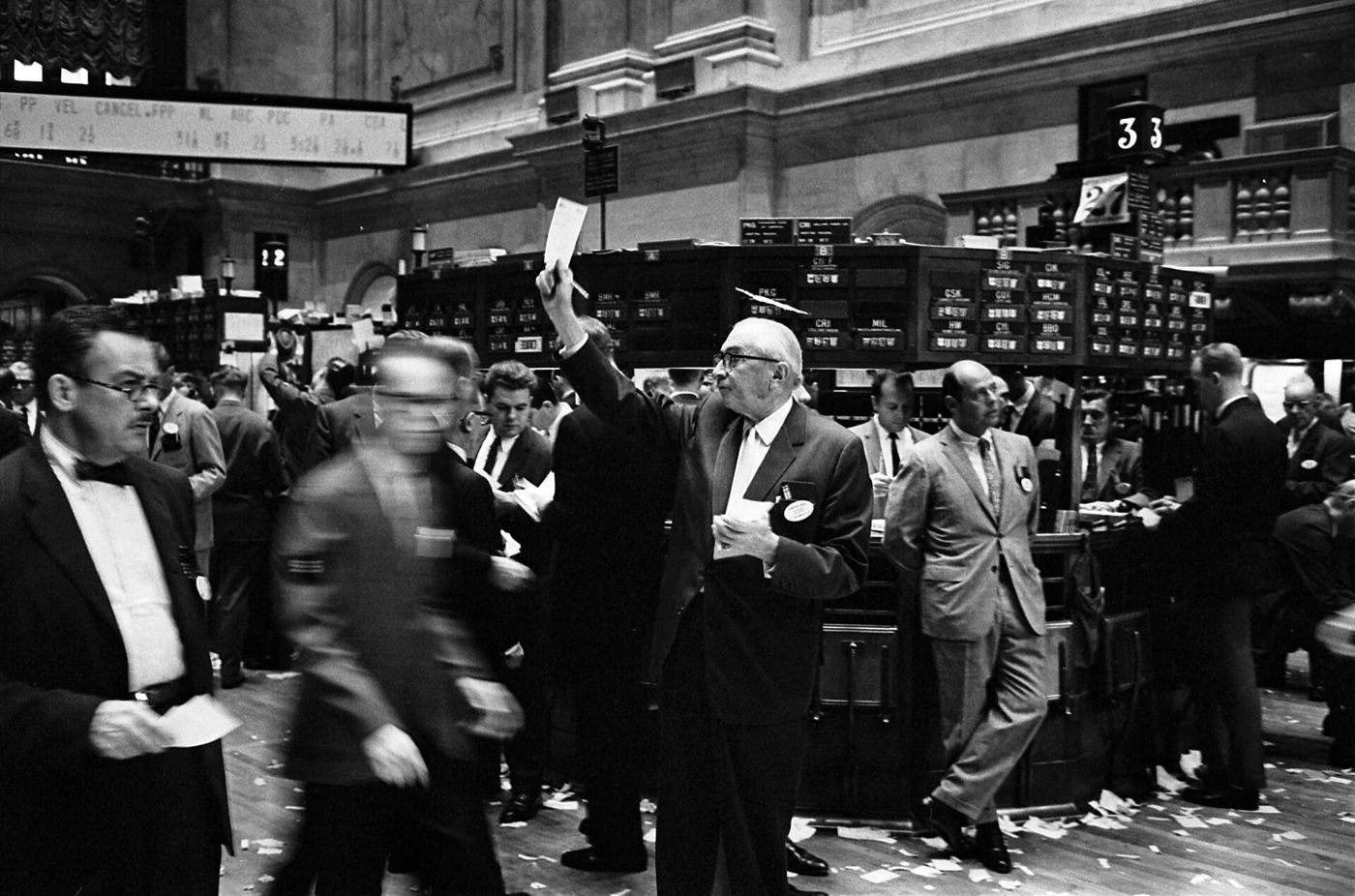
Loss aversion is the finding that losing something feels roughly twice as painful as gaining the same thing feels pleasant, and it shapes decisions from the supermarket to the stock market. Psychologists Daniel Kahneman and Amos Tversky first documented the effect in the 1970s, showing that most people would refuse a fair coin toss that offered a gain of one hundred dollars against a loss of the same amount, even though the odds are even. The pain of losing is simply stronger than the pleasure of winning, and the mind works hard to avoid it. This explains why investors hold on to falling shares for too long, why homeowners refuse offers below what they paid, and why a free trial that ends feels like a loss even though nothing was ever owned. The effect appears in everyday choices as well, from the reluctance to throw away clothes that are never worn to the way people cling to a failing business because of the money already spent, even when a fresh start would clearly be better.
What the Evidence Shows
Loss aversion is not a flaw so much as a feature of a brain built to survive, because in the world our ancestors lived in, losing food or shelter could be fatal while gaining a little extra rarely mattered. The problem is that the same instinct now operates in situations where it hurts us, such as refusing to sell a bad investment or staying in a poor deal because leaving feels like giving something up. Marketers exploit the effect constantly, with limited-time offers, warnings about missing out and free trials that create a sense of ownership. The defence is to reframe the decision: asking what you would do if you were starting fresh, rather than what you would lose by changing course, often reveals that the loss was never as large as it felt. Financial advisers use loss aversion to help their clients, by framing savings as protection against future losses rather than as a sacrifice today, and by setting up automatic contributions so that the money is never missed, turning a painful choice into a painless habit. Reporting and analysis from sources such as Nature Human Behaviour track the same developments, and specialists following loss aversion in everyday decisions say the direction is now consistent across independent lines of evidence.
The Wider Context
The wider context is a discipline rebuilding confidence through replication and pre-registration, and findings on loss aversion in everyday decisions are being reported with their effect sizes and limits attached. That honesty can make results sound smaller than the headlines of a decade ago, but the effects that survive are the ones practitioners can responsibly build on.
What Happens Next
What happens next in research on loss aversion in everyday decisions is a turn toward real-world trials: longer, larger and conducted in the schools, workplaces and clinics where the findings are meant to apply. Psychologists are also studying individual differences more seriously, because average effects conceal the people for whom an approach works powerfully and those it leaves cold. Both shifts make the science slower and more useful. You can follow related developments in our coverage of psychology.
None of this will be settled by a single announcement, study or product launch. The pattern to watch is accumulation: independent confirmations, honest reporting of failures and steady improvement in the underlying numbers. Readers who follow those signals, rather than the loudest claim of the week, will understand this subject better than most of the commentary surrounding it suggests is possible.
