

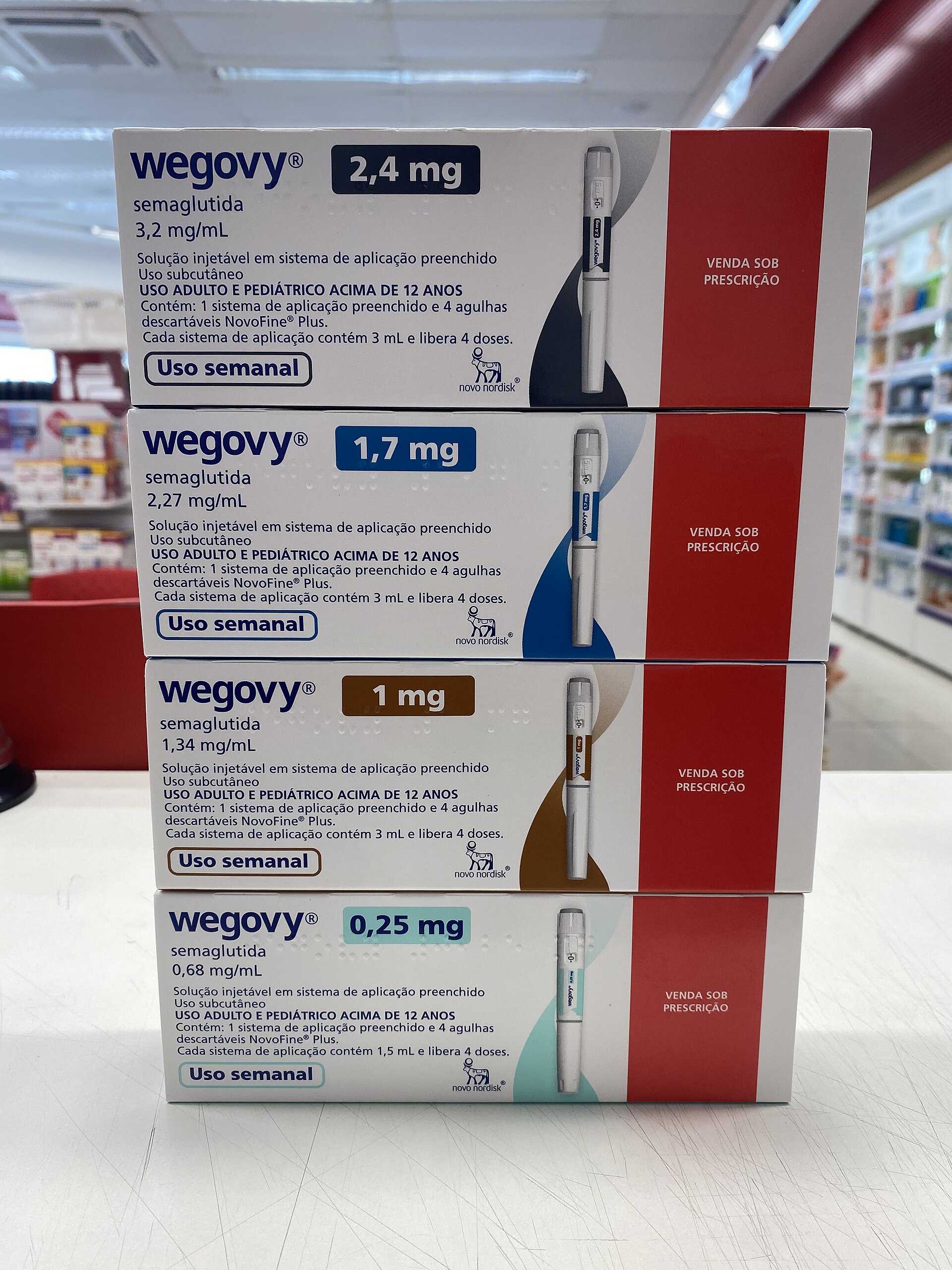
Few medicines have changed a field as quickly as the GLP-1 receptor agonists. Drugs such as semaglutide and tirzepatide, first developed for type 2 diabetes, are now prescribed around the world for weight loss, and demand has at times outstripped supply. On Freshly Times we have followed the story from the first striking trial results to the arguments about cost, access and long-term safety that now dominate the debate.
The drugs mimic a natural gut hormone, glucagon-like peptide-1, which helps regulate blood sugar and appetite. Patients consistently describe the same experience: food becomes less interesting, portions shrink without a constant effort of will, and weight falls steadily over months. In large trials, average losses of 15 per cent of body weight or more have been recorded — results that diet programmes alone rarely achieve.
But the headlines have often run ahead of the evidence. These are long-term prescription medicines with real side effects, high prices and open questions about what happens when people stop taking them. Sorting the proven benefits from the hype matters, both for patients considering treatment and for health systems deciding whether they can afford to provide it.
What the trial evidence shows
The strongest evidence comes from large randomised trials in people with obesity or type 2 diabetes. Participants receiving weekly injections lost substantially more weight than those on placebo, alongside improvements in blood pressure, blood sugar control and some markers of cardiovascular risk. A major outcomes trial also found fewer heart attacks and strokes in people with existing cardiovascular disease, which has strengthened the case that these drugs do more than change the number on the scales.
Guidance from health services remains cautious, however. The NHS overview of obesity treatment places weight-loss medicines alongside dietary support, activity and, for some patients, surgery — not as a replacement for them. Prescribing is usually limited to people above certain weight thresholds, often with related conditions such as diabetes or high blood pressure, and treatment is reviewed if weight does not fall within the first months.
Side effects, muscle and the stopping problem
The most common side effects are gastrointestinal: nausea, vomiting, reflux and constipation, especially while the dose is being increased. Most settle over time, but they are the main reason people stop treatment early. Rarer but more serious problems, including gallbladder disease and inflammation of the pancreas, are listed in the product information and are part of why medical supervision matters.
Two longer-term questions dominate research. The first is body composition: a share of the weight lost is lean muscle as well as fat, which concerns specialists treating older patients, and trials combining the drugs with resistance exercise and protein support are under way. The second is what happens after stopping. Studies consistently show that much of the weight returns within a year or two of discontinuation, which has pushed many clinicians to describe obesity treatment with GLP-1 drugs as long-term therapy rather than a short course. The World Health Organization’s obesity fact sheet underlines the scale of the condition worldwide, which is why the question of who pays for years of treatment is so difficult.
Cost, access and what comes next
List prices remain high in many countries, private prescriptions have boomed, and shortages have periodically affected patients who take the same medicines for diabetes. Health systems are rationing access to the groups most likely to benefit, while insurers and employers argue over whether the long-term savings from avoided disease justify the upfront cost. That argument is likely to run for years, and our global news coverage will keep tracking how different countries resolve it.
The pipeline, at least, is crowded. Oral versions that replace the weekly injection with a daily tablet are in late-stage trials, newer combinations target several hormones at once, and prices should eventually fall as competition and patent expiries bite. For now, the balanced verdict from specialists is unspectacular but important: GLP-1 drugs are a genuine advance for a condition that has resisted treatment for decades, they work best with proper medical support, and they are neither a cosmetic shortcut nor a cure. Patients deserve that honesty, rather than the miracle language of social media.
