

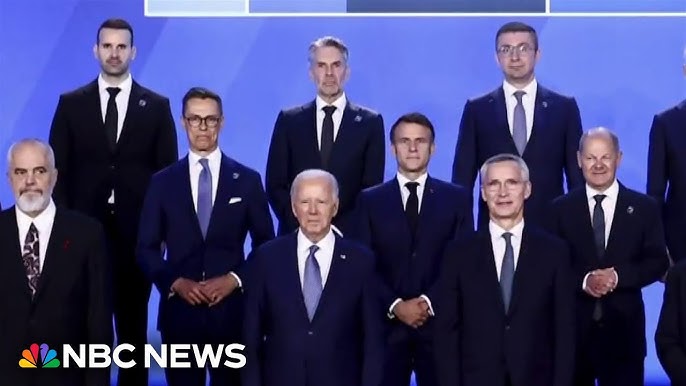
Global politics continues to shift rapidly as world leaders respond to major international developments affecting economies, security, diplomacy, and global stability. From rising geopolitical tensions to economic uncertainty and humanitarian concerns, governments across the world are carefully shaping their responses. Political analysts believe these international developments could influence foreign policy decisions, trade agreements, and diplomatic relations for years to come. As global leaders hold emergency meetings, deliver official statements, and coordinate international strategies, the world watches closely to understand the long-term impact of these evolving events.
Global Governments Strengthen Diplomatic Responses
International Leaders Call for Stability
Many world leaders have emphasized the importance of maintaining international stability during this period of uncertainty. Government officials from multiple countries have issued public statements encouraging peaceful dialogue, cooperation, and diplomatic engagement. Political experts believe that maintaining open communication channels is critical to preventing further escalation. These reactions reflect growing concerns about global security and the importance of preserving international partnerships during sensitive political developments.
Emergency Meetings Shape Foreign Policy Decisions
Several governments have organized high-level emergency meetings to assess the ongoing international situation. These discussions involve national security advisors, foreign ministers, and economic experts working together to evaluate possible outcomes. Leaders are reviewing trade policies, defense strategies, and international agreements to prepare for potential challenges. Such meetings highlight how quickly world events can influence global policymaking and international relations.
Global Organizations Increase Diplomatic Coordination
International organizations are also playing a central role in diplomatic coordination efforts. Global institutions are encouraging member nations to work together on peaceful solutions while monitoring humanitarian and economic risks. Political analysts suggest that multilateral cooperation may become increasingly important as countries attempt to manage complex international developments. Strong diplomatic coordination could help reduce tensions and strengthen global stability in the coming months.
Economic Concerns Grow Across International Markets
Financial Markets React to Global Uncertainty
Financial markets around the world have shown increased volatility as investors respond to recent international developments. Economic uncertainty often leads to fluctuations in stock markets, commodity prices, and currency values. Investors are closely monitoring political decisions and international negotiations for signs of stability. Analysts believe that long-term market performance will depend heavily on how governments manage diplomatic and economic challenges moving forward.
Energy and Trade Discussions Gain Attention
Global trade and energy policies have become major discussion points among international leaders. Rising concerns over supply chains, energy security, and trade partnerships are influencing government decisions across multiple regions. Countries are evaluating new economic strategies to protect industries and maintain stable market conditions. These developments demonstrate how interconnected the global economy has become in today’s international environment.
Businesses Prepare for Policy Changes
Businesses worldwide are adjusting their strategies in response to shifting political and economic conditions. Companies involved in manufacturing, technology, transportation, and finance are reviewing investment plans and operational risks. Economic experts believe that future government policies may significantly affect global business activities. As uncertainty continues, organizations are focusing on flexibility and long-term planning to manage potential disruptions.
Public Reactions and Media Coverage Continue to Expand
International Media Focuses on Political Reactions
Global news coverage has intensified as international developments continue unfolding. Media organizations are providing continuous updates on diplomatic meetings, government announcements, and economic reactions. Political commentators are analyzing how world leaders communicate during periods of uncertainty. This extensive media attention reflects the global importance of these events and their potential impact on international stability.
Citizens Express Concerns About Global Stability
Public reactions have varied across different countries, with many citizens expressing concerns about economic conditions, security risks, and political uncertainty. Social media discussions and public debates have increased as people seek information about the evolving situation. Governments are also facing pressure to provide transparency and reassurance regarding national strategies and international cooperation efforts.
Experts Predict Long-Term International Impact
Political analysts and international relations experts believe the current developments could shape future global policies and alliances. Many experts suggest that diplomatic relationships, economic strategies, and international cooperation may continue evolving as governments adapt to changing global conditions. These developments may also influence future negotiations on security, trade, and geopolitical stability worldwide.
FAQs
What are major international developments?
Major international developments refer to significant political, economic, or security events that affect multiple countries globally.
Why are world leaders reacting strongly to these events?
World leaders respond quickly because international developments can impact global stability, trade, security, and diplomatic relations.
How do international developments affect the economy?
They can influence financial markets, trade agreements, energy prices, and investor confidence worldwide.
Why is diplomacy important during global tensions?
Diplomacy helps countries communicate peacefully, reduce risks, and maintain international cooperation.
How does media coverage influence public opinion?
Media coverage shapes how people understand international events and government responses around the world.
Conclusion
As major international developments continue unfolding, world leaders remain focused on diplomacy, economic stability, and global cooperation. Governments, international organizations, and businesses are carefully monitoring the situation while preparing for potential long-term effects. The evolving global response highlights the importance of communication, strategic planning, and international partnerships during uncertain times. As the world moves forward, these developments may continue shaping political decisions, economic strategies, and international relations across the globe.