

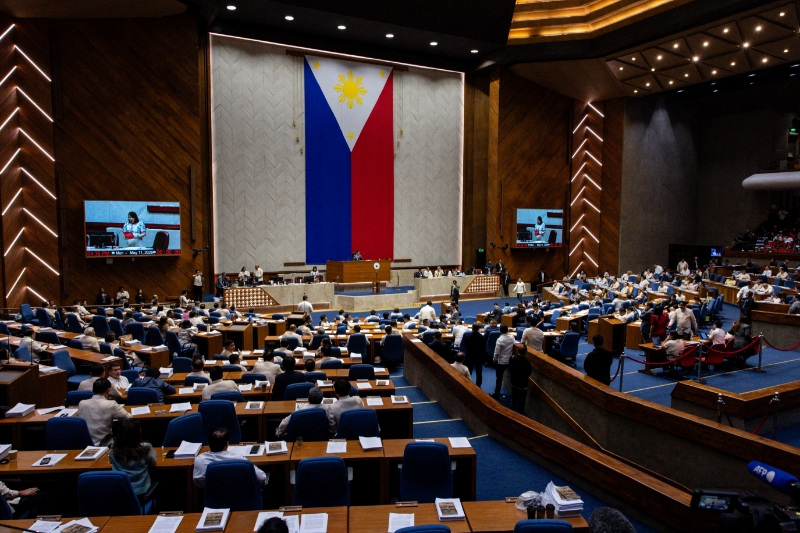
The world is changing faster than ever, and today’s international news reflects major political shifts that are shaping global economies, security, diplomacy, and public opinion. From rising geopolitical tensions to economic uncertainty and new alliances between powerful nations, governments across the globe are adjusting their strategies in response to rapidly evolving challenges. Understanding these political developments is important because they directly affect international trade, energy markets, technology growth, migration, and global stability. As countries compete for influence and adapt to modern challenges, international politics has entered a new era defined by economic competition, digital power, and shifting diplomatic priorities.
The Rise of Global Political Realignment
Changing Alliances Between Major Nations
International politics is experiencing a major transformation as countries reconsider traditional alliances and build new strategic partnerships. Global powers are increasingly focusing on regional cooperation, trade agreements, and military coordination to strengthen their influence. Nations that were once close allies are now facing disagreements over economic policies, security issues, and international leadership. These changes are creating a more competitive geopolitical environment where diplomacy plays a critical role in maintaining stability and protecting national interests.
The Growing Influence of Emerging Economies
Emerging economies are becoming more influential in global political discussions and international markets. Countries in Asia, the Middle East, Africa, and Latin America are expanding their economic strength and gaining a larger voice in international organizations. This shift is changing the balance of power that was traditionally dominated by Western nations. As developing countries continue investing in infrastructure, technology, and trade partnerships, their role in shaping international policy is expected to grow significantly in the coming years.
Regional Conflicts and Diplomatic Challenges
Regional conflicts continue to impact international relations and global security. Political instability, border disputes, and military tensions are forcing world leaders to focus more on diplomacy and crisis management. Many governments are attempting to avoid escalation through negotiations and international cooperation. However, unresolved conflicts still create uncertainty in global markets and increase pressure on political leaders to balance national security with diplomatic solutions.
Economic Pressures Reshaping Global Politics
Inflation and Global Economic Uncertainty
Economic uncertainty remains one of the biggest concerns affecting international politics today. Rising inflation, high energy costs, and supply chain disruptions are placing pressure on governments worldwide. Many countries are introducing economic reforms and financial policies to stabilize their economies while managing public expectations. These economic challenges are also influencing elections, public trust, and international trade relationships as leaders work to protect economic growth and reduce financial instability.
Energy Security and Resource Competition
Energy has become a major political issue as countries compete for stable and affordable energy supplies. Governments are investing in renewable energy while also securing traditional energy resources to reduce dependence on foreign suppliers. Political decisions related to oil, gas, and clean energy are influencing international partnerships and economic strategies. As energy demand continues to rise, resource competition is expected to remain a central issue in global politics and international negotiations.
Technology and Digital Economic Power
Technology is now deeply connected to political influence and economic strength. Countries are investing heavily in artificial intelligence, cybersecurity, semiconductor production, and digital infrastructure to strengthen their global position. Governments are also introducing regulations to manage data privacy, online security, and technological competition. The race for digital leadership is becoming one of the defining factors in modern international politics, affecting both economic development and national security strategies.
The Future of International Leadership and Global Stability
The Role of International Organizations
International organizations continue to play an important role in managing global challenges and supporting diplomatic cooperation. Institutions focused on trade, health, climate policy, and security are helping countries coordinate responses to international crises. However, these organizations also face criticism regarding effectiveness, political influence, and decision-making processes. As global challenges become more complex, international institutions may need reforms to remain effective and maintain global trust.
Public Opinion and Political Change
Public opinion is becoming increasingly influential in shaping political decisions worldwide. Social media platforms, independent journalism, and digital communication allow citizens to react quickly to international events and government policies. Political leaders must now respond more rapidly to public concerns related to inflation, security, migration, and human rights. This growing public influence is changing the way governments manage both domestic and international political strategies.
The Shift Toward a Multipolar World
The global political system is gradually moving toward a multipolar structure where several nations share influence instead of one dominant power controlling international affairs. Countries are forming strategic partnerships based on economic interests, regional security, and technological cooperation. This transition may create new opportunities for diplomacy and trade, but it could also increase geopolitical competition. The future of international stability will likely depend on how effectively world leaders manage these shifting power dynamics.
FAQs
1. What are political shifts in international news?
Political shifts refer to major changes in global leadership, alliances, economic policies, and international relations.
2. Why is international political news important?
International political news affects economies, security, trade, energy prices, and global stability.
3. What is a multipolar world?
A multipolar world is a global system where multiple countries share political and economic influence.
4. How does technology impact global politics?
Technology influences cybersecurity, economic growth, communication, and international competition.
5. Why are emerging economies becoming more powerful?
Emerging economies are growing through industrial development, trade expansion, and technological investment.
Conclusion
Today’s international news highlights a world experiencing rapid political and economic transformation. From shifting alliances and economic uncertainty to digital competition and global diplomacy, international politics is entering a new phase that will shape the future of global stability. Governments, businesses, and individuals must stay informed as these political shifts continue influencing economies, international relations, and security worldwide. Understanding these developments is essential for navigating an increasingly connected and competitive global landscape.